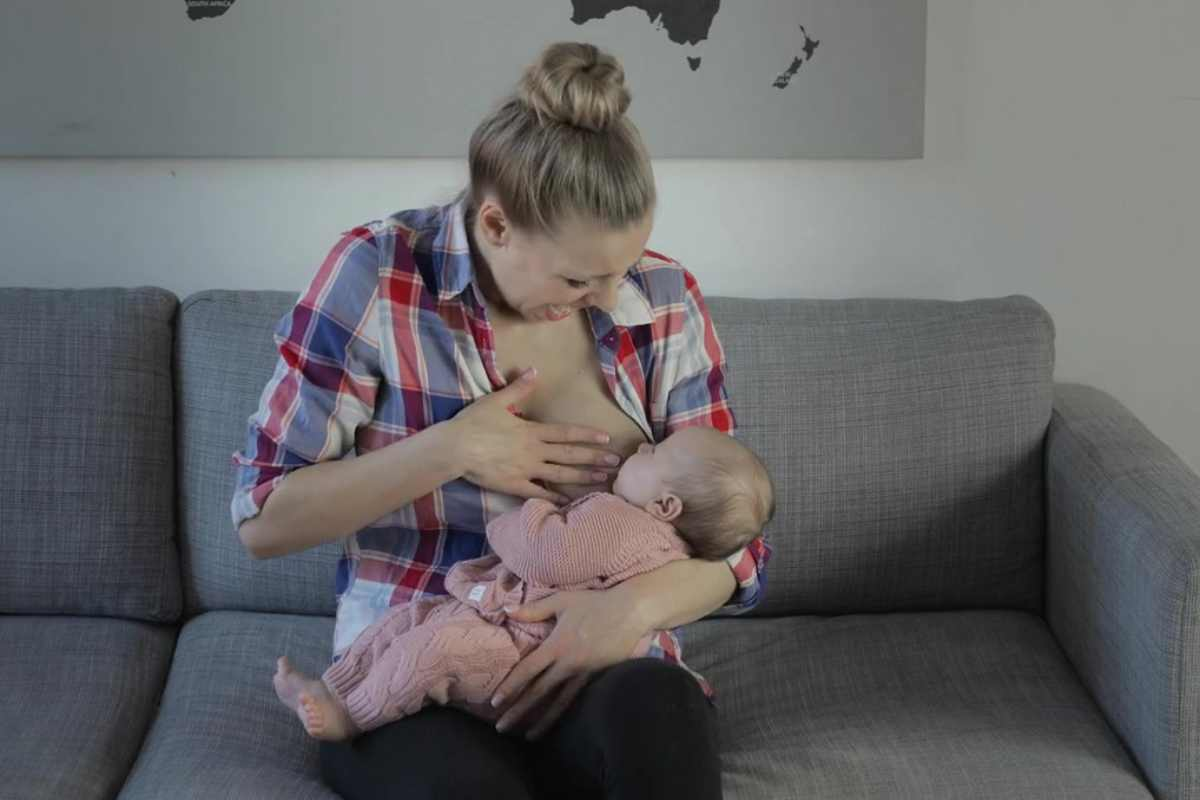
As an experienced mom who has breastfed for years, I’ve learned that breastfeeding pain is never something you’re meant to ignore or simply endure. i know many moms go into breastfeeding expecting it to feel natural and smooth, only to be surprised by soreness, stinging, or even sharp pain that makes feeding stressful. I’ve been there too, That is why i will guide you through everything you need to know about breastfeeding pains, causes, symptoms and how to ease breastfeeding pain.

The truth is, breastfeeding pain usually has a cause, and once you understand the causes of breastfeeding pain, solution is possible. In this guide, we’ll talk about breastfeeding pain causes, symptoms, and how to ease breastfeeding pains so you can feel informed and aware.
What Is Breastfeeding Pain?
Breastfeeding pain is any discomfort you feel in your nipples or breasts during or after breastfeeding your baby. It can show up as soreness, burning, stinging, tightness, or sharp shooting pain.
Some moms feel pain right when their baby latches, while others notice it during the feed or afterward. Because every mom body is different and breastfeeding pain doesn’t look or feel the same for everyone.
In the very early days of breastfeeding, mild nipple tenderness can happen as your body adjusts to frequent feeding and your baby learns how to latch. This type of discomfort is usually short-lived and improves within the first week.
What’s important to know is that ongoing, worsening, or intense pain is not a normal part of breastfeeding. Just know that any pain that makes you tense up, dread feedings, or feel anxious is a sign that something needs attention.
Understanding this early can help you protect both your comfort and your breastfeeding journey.
Causes of Breastfeeding Pain?
Understanding what causes breastfeeding pain is the first step toward fixing it. Here are the most common causes of breastfeeding pain you needs to know.
- Poor Latch or Positioning
This is the most common cause of breastfeeding pain, especially in the early weeks. When your baby isn’t latched deeply, they end up sucking mostly on your nipple instead of taking in enough of the areola. That puts pressure in the wrong place and can make your nipples sore, cracked, or very sensitive.
- Engorgement and Very Full Breasts
Engorgement is when your breasts are overly full, tight, and swollen especially in the early days when milk first comes in or when feed is delayed. Very full breasts can actually make it harder for your baby to latch properly, which leads to pain even at the start of feeding.
- Cracked, Sore, or Bleeding Nipples
Visible cracks, scabs, or bleeding on the skin of your nipples makes breastfeeding feel painful. Cracks usually happen from repeated friction, shallow dryness or even pumping with incorrect settings.
- Mastitis (Breast Infection)
Mastitis is a breast infection that causes intense pain along with redness, warmth, swelling, and flu-like symptoms such as fever or chills. Mastitis is more than discomfort, it’s an infection and needs medical care.
Symptoms of Breastfeeding Pain
Breastfeeding pain doesn’t always show up the same way for every mom. Some symptoms are obvious, while others feel confusing or easy to dismiss. Understanding these signs can help you pinpoint the cause of the pain and decide what kind of support you need.
- Sore or Tender Nipples
Sore nipples are one of the earliest and most common symptoms of breastfeeding pain. Mild tenderness in the first few days can be normal, but pain that feels sharp or worsens over time is not.
- Burning or Stinging Pain During or After Breastfeeding
This type of pain is commonly linked to thrush, vasospasm or let-down sensitivity and should not be ignored, especially if it doesn’t improve with latch changes.
- Pain During Latch vs. Pain Between Feeds
Pain that happens only during latch is often related to shallow latch, poor positioning, or engorgement. Pain that occurs between feeds, especially if it’s burning, throbbing or deep inside the breast, may point to infection, blocked ducts or yeast overgrowth. Noticing when the pain occurs is a helpful clue.
- Pain in One Breast vs Both Breasts
Pain in one breast is usually caused by a specific issue in that area, such as a blocked duct or mastitis. Pain in both breasts may be linked to hormonal changes, thrush, or general nipple trauma. Paying attention to whether pain is one-sided or bilateral helps understand the cause.
How to Ease Breastfeeding Pain Naturally
Now will have known what breastfeeding pain is, the causes and symptom, we will look into How to ease breastfeeding pains naturally. Breastfeeding pains can be eased naturally with small, gentle changes that make a big difference over time.
- Start With Latch and Positioning
This is the first step to take. A deep, comfortable latch takes pressure off your nipples and allows your baby to remove milk more effectively. If pain improves once your baby is latched well, that’s a strong sign latch was the main issue. Sometimes even a small adjustment in how you hold your baby can reduce pain immediately.
- Feed Frequently to Prevent Engorgement
Feeding often helps keep milk flowing and prevents pressure buildup. If your breasts feel hard or heavy, gentle breast massage before feeding can make latching easier and less painful. tight, and painful. If your breasts feel hard or heavy, gentle hand expression before feeding can make latching easier and less pain
- Take Care of Your Nipples
Air-drying your nipples after feeds helps healing, especially if the skin is cracked or sore. Avoid harsh soaps and excessive washing, which can dry the skin further. Simple, gentle care goes a long way.
- Wear Comfortable, Supportive Clothing
Wearing well-fitting nursing bra that doesn’t dig or compress your breasts can reduce pain. Tight bras or pressure on sore areas can worsen discomfort and slow healing.

