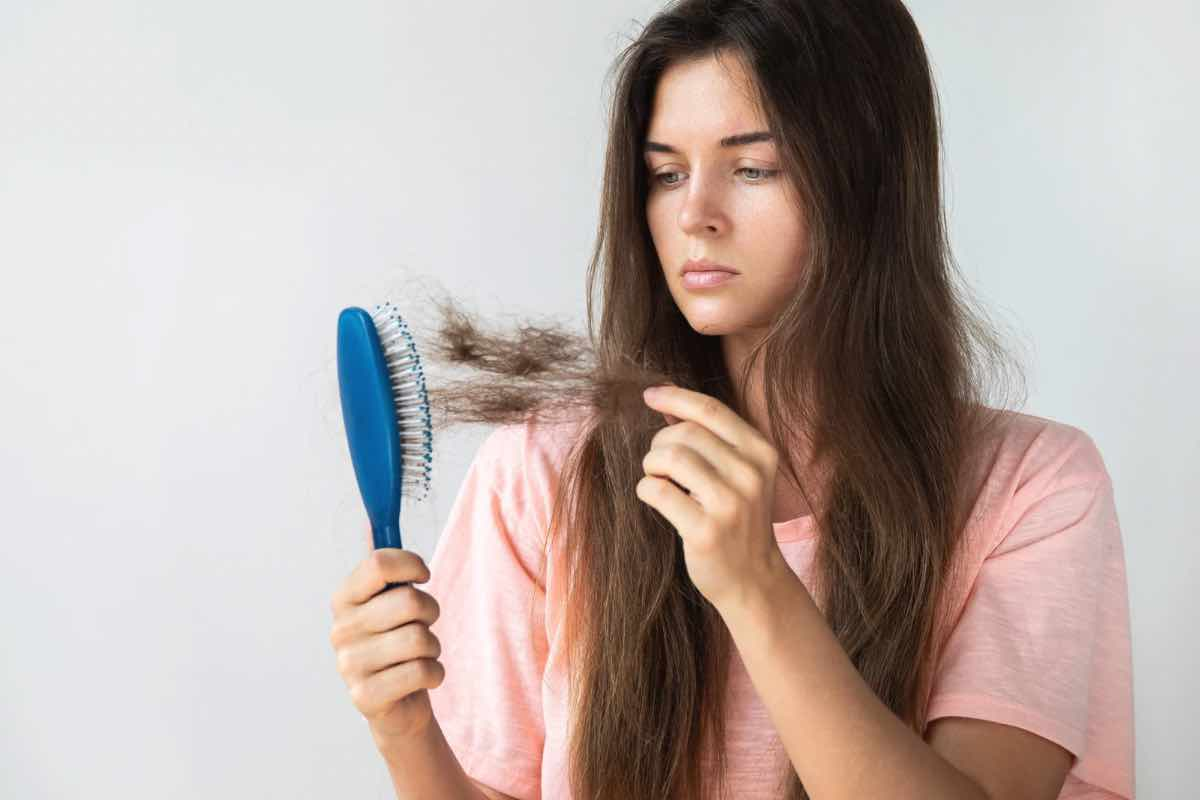
You know, no one really warns you about this part of motherhood, that moment a few months after giving birth when you start noticing more hair on your pillow, in the shower drain, or wrapped around your hairbrush and you keep searching for postpartum hair loss treatment.
It can be a little shocking and even heartbreaking to see so much of your hair falling out. You might catch yourself wondering what’s happening to me? and searching for postpartum hair loss treatment.
But here’s the truth, it is totally normal. Almost every new mom goes through this, and it’s not because you’re doing anything wrong.
It’s simply your body adjusting after pregnancy. If you’re also wondering how to tone your tummy gently after giving birth, you might love my post on how to lose postpartum belly fat naturally. It’s full of simple, mom-friendly tips that really work.

During those nine months, your hormones kept your hair lush and full, and now, as they shift back to normal, your hair is just catching up. It’s a temporary phase, even if it doesn’t feel like it right now.
The good news? There are gentle, natural treatments to care for your hair and support new growth while this phase passes. You don’t need to panic or reach for harsh treatments.
With a few simple changes to your routine, and a little patience, your hair will find its way back to its healthy self, just like you’re finding your balance as a new mom.
When Does Postpartum Hair Loss Starts
Most moms begin to experience postpartum hair loss around two to four months after giving birth, though for some, it may happen a little earlier or later. It’s your body’s way of adjusting after pregnancy.
Here’s what’s really going on: during pregnancy, your estrogen levels are sky-high. That hormone surge keeps your hair in a constant “growth phase,” which is why so many women enjoy thicker, shinier hair while they’re expecting.
But once your baby arrives, those hormone levels start to drop, and your body naturally lets go of all the extra hair it was holding onto. That’s when you’ll notice more strands falling out than usual.
It can be unsettling, I know. You might feel like your hair is coming out in a handful, especially when you wash or brush it. But the good news is that it’s temporary.
Most moms find that the shedding peaks around the 3–5 month mark and then slowly starts to calm down as hormones balance out again.
You’re not doing anything wrong, your body is simply finding its new normal. And even though it can feel frustrating, your hair will still grow back.
10 Postpartum Hair Loss Treatment
Here are 10 postpartum hair loss treatments all natural, mom-safe, and surprisingly effective
1.Scalp Massage with Natural Oils

A soothing scalp massage isn’t just relaxing, it’s one of the best natural treatments for postpartum hair loss. When you gently massage your scalp, you increase blood circulation, which nourishes hair follicles and encourages regrowth.
Try warm coconut oil, castor oil, or rosemary essential oil (mixed with a carrier like jojoba). Use your fingertips in slow circular motions for 5–10 minutes before washing your hair. Do this two to three times a week , it’s like therapy for both your scalp and your soul.
2. Collagen and Biotin Supplements

After giving birth, your body’s nutrient stores are often depleted, and that includes what your hair needs to stay strong. Collagen and biotin are two power nutrients that support hair health from within.
You can take a biotin supplement or add collagen peptides to your smoothies or morning coffee. Over time, you’ll notice your nails and skin improving too, it’s a total beauty boost for tired moms.
3. Silk or Satin Pillowcases

It might sound fancy, but switching to a silk or satin pillowcase is one of those small changes that make a big difference. Cotton pillowcases can tug and break fragile hair strands while you sleep, especially if you’re already shedding.
A silk pillowcase reduces friction, keeps your hair smooth, and helps retain natural moisture. Plus, it feels so soft like a little luxury in your tired-mom routine.
4. Postpartum-Friendly Shampoo and Conditioner

Most store shampoos contain sulfates that strip away natural oils, making your scalp dry and fragile. Look for sulfate-free, mild shampoos with nourishing ingredients like aloe vera, argan oil, or keratin.
Also, consider using a volumizing shampoo for postpartum hair loss to give your hair a fuller look while it grows back. Treat wash days gently, no harsh scrubbing or hot water.
5. Reduce Stress (Your Hair Feels It Too)

It’s easier said than done, but stress really can slow hair growth. When your cortisol levels rise, your body diverts energy away from “non-essential” things like your hair.
Getting enough rest is one of the best things you can do for both your hair and your healing body. You can also explore my post on how to heal faster after vaginal delivery for more helpful recovery ideas.
Take a few minutes daily just for you deep breathing, a walk, journaling, or even a quiet cup of tea. Little by little, your body and your hair will thank you.
6. Stay Hydrated (It Really Matters)

Dehydration affects everything, your energy, your milk supply, and yes, your hair. When you’re not drinking enough water, your scalp becomes dry, and your hair shafts become brittle.
Aim for at least 8 glasses of water a day, and eat water-rich foods like cucumbers, oranges, and watermelon. Your hair thrives when your whole body is nourished.
7. Avoid Tight Hairstyles

We all love a messy bun when chasing after a newborn, but constantly pulling your hair back too tight can worsen postpartum shedding.
Instead, try loose braids, low ponytails, or just letting your hair down when you’re home. Give those delicate roots a break, they need space to breathe and grow again.
8. Eat Iron-Rich and Protein-Packed Foods

Your hair is made of protein (keratin), so feeding your body the right nutrients directly supports growth. Focus on iron-rich foods like spinach, eggs, lentils, chicken, and pumpkin seeds.
Add healthy fats like avocado, olive oil, and salmon to keep your scalp hydrated from within. A balanced diet is truly one of the most underrated postpartum hair loss treatments.
9. Try Aloe Vera or Onion Juice Treatments

Yes, they actually work Aloe vera soothes the scalp, while onion juice contains sulfur that boosts collagen production.
Blend fresh aloe vera gel and apply it to your scalp for 30 minutes before rinsing. Or mix onion juice with a few drops of coconut oil to reduce the smell. These home remedies might sound simple, but they’ve been trusted for generations.
10.Trim the Ends Regularly

A small trim every couple of months can make your hair look healthier and prevent split ends. You’re not cutting away your progress you’re helping new growth shine through. Healthy ends make your hair look fuller and more polished, even during the shedding phase.
Gentle Reminder
if you’re reading this and feeling a little discouraged, please know that what you’re going through is completely normal and temporary.
Postpartum hair loss can feel frustrating and even emotional, but it doesn’t define you or your beauty. Your body has done something miraculous, and it’s simply finding its way back to balance.
As you’ve seen, learning postpartum hair loss treatment isn’t about quick fixes or miracle products. It’s about taking care of yourself from the inside out.
eating nourishing foods, being gentle with your hair, staying hydrated, and giving your body the time it needs to heal. With a little patience and consistent self-care, your hair will regain its strength, shine, and fullness.
And when you start to see those tiny baby hairs growing back along your hairline, let it remind you of how resilient your body is and how far you’ve come.
Be proud of yourself, not just for the hair that will grow again, but for all the love and care you’re already giving every single day.

