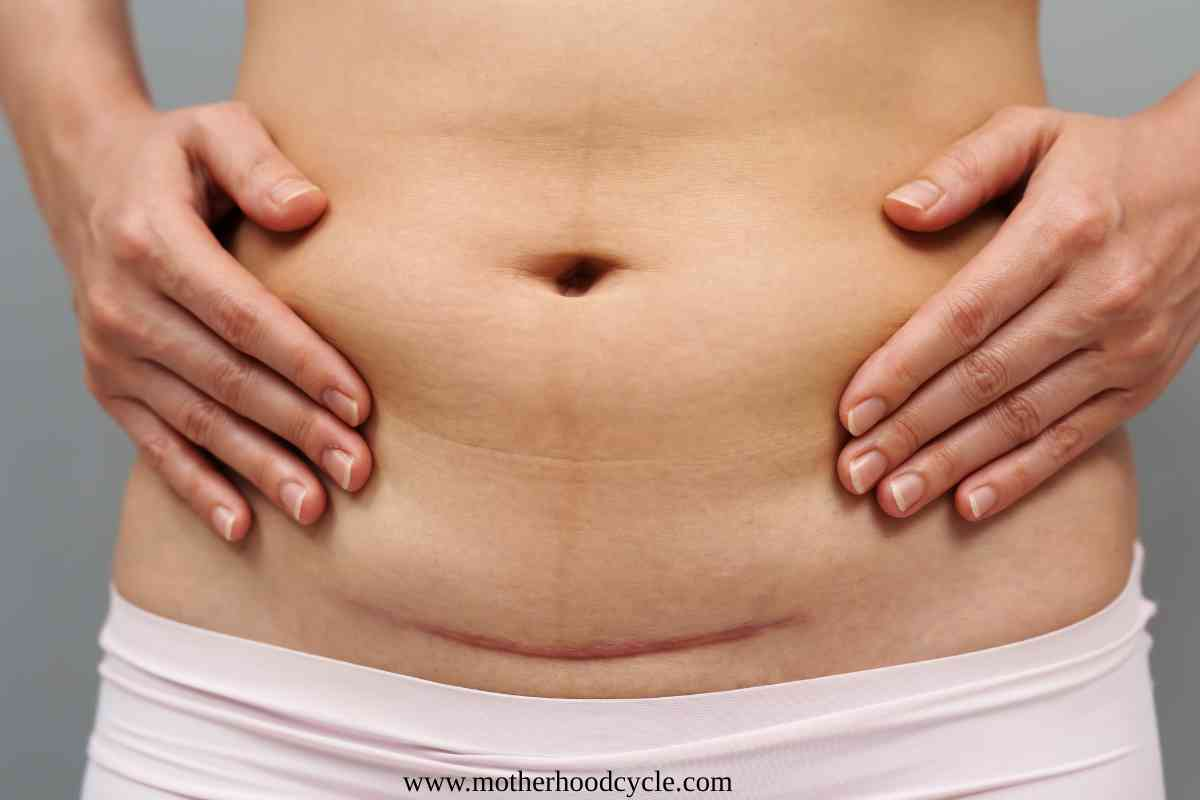
I know how it feels after having your baby through a C-section. The joy of finally holding your little one, mixed with the soreness, fatigue, and those unexpected waves of discomfort. That’s why I’ve put together this C-Section Recovery Guide for New Moms Real Tips to Heal Faster and Feel Better to help you recover with confidence, comfort, and care.
Recovering from a cesarean birth takes time, patience and a little extra love for yourself. You might be wondering how to heal faster after a C-section, what to eat for faster recovery, or how to move without hurting your incision area.
Don’t worry with the right rest, gentle movement and incision care, you’ll start to feel stronger day by day.
In this guide, we’ll talk about practical, real-life C-Section Recovery Guide for New Moms Real Tips to Heal Faster and Feel Better from managing pain and supporting your scar to caring for your body emotionally and physically.
Your body has done something incredible and now it deserves the same love and care you give to your baby. Let’s walk through this healing journey together so you can feel your best again, one small step at a time.
How Long Does It Take to Heal After a C-Section?
On average, C-section recovery takes about 6 to 8 weeks, but every mom’s healing journey is unique. Some feel stronger sooner, while others need a bit more time and that’s completely okay.
In the first couple of weeks, you might notice soreness, swelling or tightness around your incision area. Simple things like sitting up, laughing, or coughing can feel uncomfortable and that’s totally normal.
As the days go by, your strength will slowly return. By the fourth week, you’ll likely move a little easier, but your body is still healing deeply beneath the surface, even if it’s not visible.
The best approach is to listen closely to your body and take recovery one step at a time. Rest when you can, nourish yourself with healthy postpartum freezer meals, stay hydrated, and gently move only when your doctor says it’s safe.
Avoid comparing your progress to anyone else’s healing. Whether it takes six weeks or a few months, know that your body is doing exactly what it’s supposed to do.
Be patient, stay kind to yourself, and trust that each small step brings you closer to feeling stronger, more comfortable, and more like yourself again.
Real Tips to Heal Faster After a C-Section
1. Support Your Incision When You Cough, Laugh, or Move
It might sound simple, but gently supporting your incision area when you move can make a world of difference.
Whenever you need to cough, sneeze, laugh, or get out of bed, place a soft pillow over your incision and apply gentle pressure.
This stabilizes the muscles around your abdomen, reducing the pulling sensation that can cause pain or slow healing. It also helps protect your stitches and makes everyday movements more comfortable.
2. Avoid Lifting Anything Heavier Than Your Baby
It’s easy to forget how much strain, even small movements can put on your healing body. Avoid lifting laundry baskets, heavy bags or even older kids for the first few weeks.
If you must pick something up, bend at your knees, not your waist, and hold it close to your body. Protecting your incision from unnecessary strain helps it heal cleanly and prevents setbacks.
3. Sleep in a Slightly Upright Position
Many moms don’t realize how much sleeping positions affect recovery. Lying completely flat can put pressure on your incision and make it painful to get up.
Try propping yourself up slightly with pillows or sleeping in a reclined position (a supportive recliner works wonders).
It helps you rise more easily and keeps strain off your abdominal area while you rest. Better sleep equals faster healing.
4. Use a Small Stool or Step When Getting Out of Bed
One underrated but incredibly helpful trick is using a small stool or low step to get in and out of bed.
It minimizes the stretch on your incision and core muscles, making movements smoother and less painful. This is especially helpful during those early weeks when sitting up feels like an Olympic event.
5. Use a Handheld Mirror to Check Your Incision Regularly
It might feel awkward at first, but checking your incision daily helps you spot early signs of infection before they worsen. Redness, unusual swelling, or discharge are things you’ll want to tell your doctor about right away.
Many moms skip this because it feels uncomfortable, but awareness is a huge part of healing safely and quickly.
6. Wear High-Waisted, Supportive Underwear or Leggings
Tight waistbands or low-rise underwear can rub against your incision, causing irritation. Instead, choose high-waisted, breathable fabrics that gently support your belly without pressure.
Some postpartum leggings or underwear even offer light compression enough to feel supported but not restricted. Comfort matters more than you think when you’re recovering.
7. Protect Your Core When Getting Up (Log Roll Technique)
Instead of trying to sit straight up from bed, roll to your side first, then use your arms to push yourself up.
This simple movement called the “log roll technique” protects your incision and prevents unnecessary strain on your abdominal muscles. It’s a small change that saves you a lot of pain and helps your core heal evenly.
8. Use a Nursing Pillow to Protect Your Incision During Feeding
Breastfeeding after a C-section can be tricky because your baby’s weight might press on your incision. A nursing pillow or even a regular pillow placed strategically on your lap helps create a buffer.
Try side-lying or football-hold positions they keep pressure off your belly while letting you nurse comfortably.
Finding the right position makes feedings less stressful and gives your body a chance to relax and heal.
9. Stay Hydrated ( It’s More Important Than You Think)
After surgery, your body needs extra fluids to flush out anesthesia, support tissue repair and prevent constipation (a common struggle after a C-section).
Keep a big water bottle nearby at all times especially if you’re breastfeeding, since that also increases your fluid needs. If plain water feels boring, add slice of cucumber, for a refreshing twist.
10. Don’t Skip Your Follow-Up Appointments
Even if you feel okay, never skip your postpartum check-ups. These visits allow your doctor to check your incision, internal healing, and overall recovery. Sometimes infections or issues develop quietly, catching them early keeps your recovery smooth and stress free.
When to Call Your Doctor After a C-Section
1. Fever or Chills
If you develop a fever of 100.4°F (38°C) or higher, or start experiencing chills and body aches, it could be a sign of infection either at your incision site, uterus, or urinary tract.
Call your doctor right away to rule out complications.
2. Redness, Swelling, or Discharge at the Incision Site
Some tenderness and mild redness are normal, but if you notice increasing redness, warmth, swelling, pus, or a foul odor, your incision might be infected.
It’s always better to have it checked early before it worsens.
3. Severe or Worsening Pain
Discomfort is expected after surgery, but your pain should gradually improve not get worse.
If you experience sudden or sharp pain around your incision, abdomen, or back, or if your prescribed medication no longer helps, call your doctor.
It could be a sign of internal infection, bleeding, or another complication.
4. Difficulty Breathing or Chest Pain
If you ever experience shortness of breath, chest pain, or swelling in one leg, seek immediate medical help.
5. Anything That Just Doesn’t Feel Right
If something feels “off,” even if it doesn’t fit neatly into a symptom list, call your doctor.
Whether it’s unusual pain, fatigue that won’t lift, or a gut feeling that something’s wrong, it’s always better to check than to wait.
Gentle Reminder
Recovering from a C-section is not just about healing a scar it’s about giving your body and mind the time, space and love they need to recover from one of life’s biggest transformations.
As your body heals, you might notice a few other postpartum changes, like hair shedding or fatigue and that’s all part of the process. If you’re noticing more hair fall lately, check out my guide on postpartum hair loss treatment for gentle, natural ways to encourage regrowth.
You’ve brought a new life into the world and that’s incredible. But remember, healing after a C-section takes patience, and it’s perfectly okay if it’s taking longer than you expected.
Every little bit of progress counts. The more you listen to your body and care for yourself gently, the faster and more comfortably you’ll heal.

