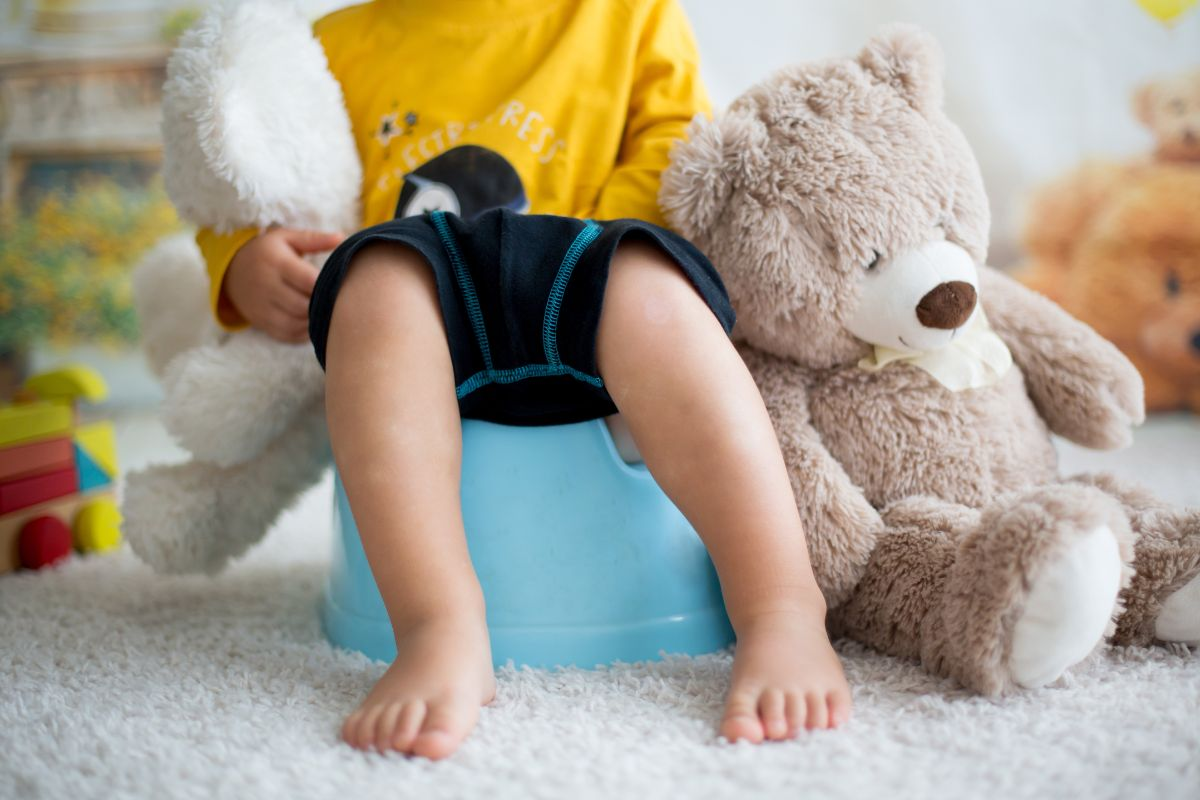
Potty training is a normal and important milestone in your child’s development. At some point, you will begin to notice signs that your toddler is becoming more aware of their body and ready for greater independence.
It’s completely natural to feel unsure about when to start or which method to use, especially with so much conflicting advice available. However, readiness is not based strictly on age, it is based on developmental cues. Every child progresses at their own pace.
This article is your complete guide to potty training. It will help you understand when to begin, how to support the process effectively, and what behaviors to expect along the way.
When to Start Potty Training
One of the most common questions parents ask is, “When should I start potty training?” The answer depends less on age and more on readiness.
While many children begin showing signs between 18 months and 3 years, developmental cues matter more than the calendar. Look for signs such as showing interest in the toilet, staying dry for longer periods, or being able to pull pants up and down. These signals suggest your child is developing the awareness and control needed for success.
It is also important to consider timing. If your child is experiencing major changes, such as a new sibling, a move, or starting daycare, it may be wise to wait. Pushing too early, especially when your child resists, can lead to frustration and setbacks. Starting when your child is truly ready makes the process smoother and more positive for both of you.
How to Potty Train Your Toddler: Step-by-Step Guide
Having a clear plan will help you feel more confident and reduce confusion for your child. The steps below will guide you through the process in a simple, practical way you can follow each day.
1) Pick a start date you can commit to
Choose a time when you’ll be home and less busy for a few days. Avoid starting during travel, holidays, or big changes. A calm week or weekend gives you consistency, which helps your child learn faster.
2) Switch to underwear (or training pants)
Once you start, let your child wear underwear during the day. Feeling wet helps them connect the sensation with using the potty. Dress them in easy clothes like shorts or elastic-waist pants no complicated buttons.
3) Set scheduled potty breaks
Take your child to the potty regularly, even if they say “no.” A good schedule includes:
-
After waking up
-
Before and after meals
-
Before leaving the house
-
Before nap and bedtime
-
Every 1–2 hours in between
Keep each attempt short, about 2–3 minutes. If nothing happens, try again later.
4) Watch for potty cues
Learn your child’s “I need to go” signs. Common cues include:
-
Dancing or crossing legs
-
Holding their private area
-
Suddenly getting quiet
-
Hiding behind furniture
When you notice a cue, calmly say, “Potty time,” and guide them quickly.
5) Handle accidents calmly and consistently
Accidents will happen, they are part of learning. Stay calm and avoid punishment or shame. Simply say, “Oops, pee goes in the potty,” clean up, and move on. If accidents happen often, increase potty breaks and reassess readiness.
6) Teach hygiene from day one
Show your child how to wipe (front to back for girls). Keep it simple: wipe, flush, wash hands with soap for 20 seconds, then dry. Make handwashing fun by singing a short song. Praise effort more than results “You tried!” builds confidence.
With patience and consistency, your child will get there.
Common Potty Training Problems & Solutions
Even with the best plan, potty training does not always go smoothly. You may face a few challenges along the way, and that is completely normal. Understanding common problems and responding calmly will help you stay confident and consistent.
1) Playing With the Potty Instead of Using It
Some toddlers treat the potty like a toy. They may sit, get up, laugh, and refuse to actually go.
what you will do is to Keep potty time short and calm. Remove distractions and explain simply, “We sit to pee or poop.” Stay consistent.
2) Your child refuses to sit on the potty
This is often about control, fear, or discomfort. Keep it low-pressure. Make potty time predictable and short (2–3 minutes). Let your child choose the potty seat or pick a book. Praise the effort: “Good job sitting!” even if nothing happens. Ensure their feet rest on the floor or a stool for stability.
3) Your child is holding poop
Pooping can feel scary for some children. If your child strains, hides, or avoids going, focus on making it easier. Offer water and fiber-rich foods. Create a calm routine, such as sitting on the potty after meals. Never punish. If constipation continues, speak with a pediatrician.
4) Fear of flushing
The flushing sound can be loud and surprising. Allow your child to step away before you flush. Warn them gently before doing it. Over time, they may feel confident enough to flush themselves.
5) Nighttime struggles
Night training takes longer because it depends on physical development. Use a waterproof mattress cover, limit drinks 1–2 hours before bed, and take your child to the toilet before sleep. If bedwetting happens, stay calm. Many children need months before staying dry overnight.
Conclusion
There will be progress, pauses, and small victories along the way, and each step counts. Stay patient with your child and with yourself, especially on the harder days. With consistency, encouragement, and time, your child will gain the confidence and independence they need. Your steady support makes all the difference.

